
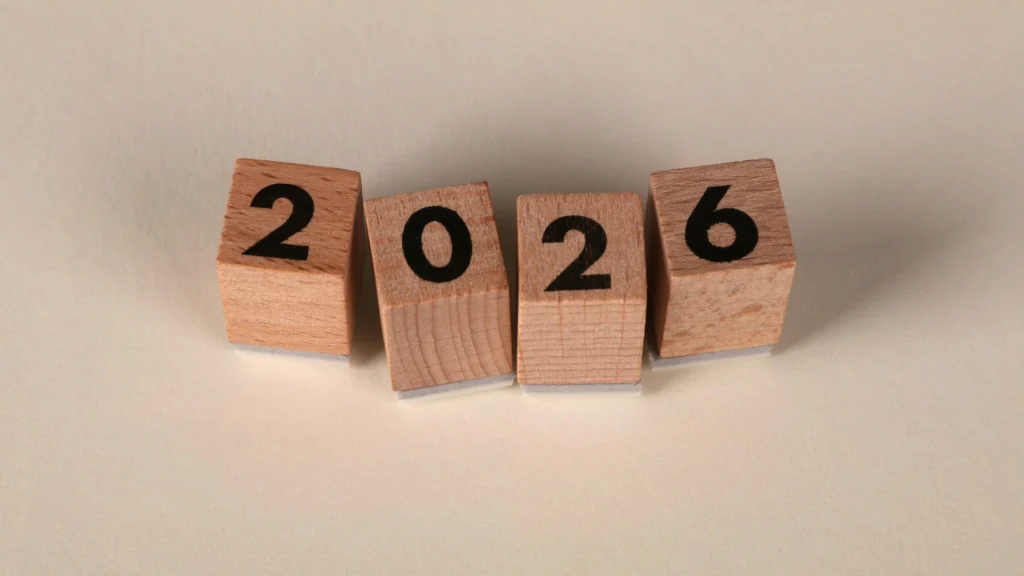
By the time January arrives, many people are already quietly taking stock. Another year has passed, and beneath the surface, there is often a familiar reckoning: I’m not where I thought I’d be by now. The goals that once felt clear may feel stalled. The changes that were supposed to happen last year may still feel unfinished. With that realization often comes urgency, the sense that something must be done quickly to make this year different.
This is the January crash.
It is the collision between time-based shame and cultural pressure, the feeling that the passing of another year is evidence of personal failure rather than lived complexity. When that discomfort sets in, many people respond the same way: by forcing motivation, creating new resolutions, or trying to outrun themselves through reinvention.
And to be clear, you can change things. You can get a new haircut, buy a new wardrobe, start a workout program, learn a new hobby, or finally commit to a routine you’ve been postponing. Those changes can feel energizing and even empowering. What they cannot do is permanently erase the self who made them.
Productivity-based self-worth promises relief through improvement, but it often deepens the very pressure it claims to solve. It suggests that if you optimize enough or try harder, you can finally escape the parts of yourself that feel heavy or behind. When that escape does not last, the conclusion is often harsh and internal: I should be further along by now. Another year has passed, so why am I still struggling with this?
For many adults, especially those who have lived through trauma, chronic stress, caregiving roles, or long periods of emotional responsibility, this urge to escape makes sense. When life has required constant effort, it is natural to wish for distance from the weight of daily demands. Many people don’t just want a fresh start. They want rest from themselves.
But people don’t fail at reinvention because they lack discipline. They fail because the past is still doing its job. We don’t wake up with new attachment systems. We don’t shed coping strategies overnight. We don’t erase grief, fear, shame, or identity by changing the calendars.
The patterns you carry continue not because you are weak, but because they were once necessary. They are doing what they were built to do. This is why January can feel heavier instead of hopeful. After the intensity of the holidays, after reflection or emotional labor, there is often a letdown. The adrenaline fades. Distractions lift. What remains is quieter, less dramatic, and more honest. In that quiet many people mistake continuity for failure.
What you carry into a new year is not evidence that you are doing something wrong.
It is evidence that you are still you. Change becomes sustainable when it is additive rather than erasing, when it builds on what exists instead of trying to replace it. Agency lives not in the fantasy of starting over on January first, but in the quieter ability to make different choices within continuity, on any day you choose.
You do not need to become someone else in order to move forward. Not a more productive version of yourself. Not a less affected, more “together” version. Not someone unmarked by what you have lived through.
You need space to be more honest with who you already are. And that kind of growth does not begin with a dramatic resolution. It begins with staying, rather than trying to outrun who you are.